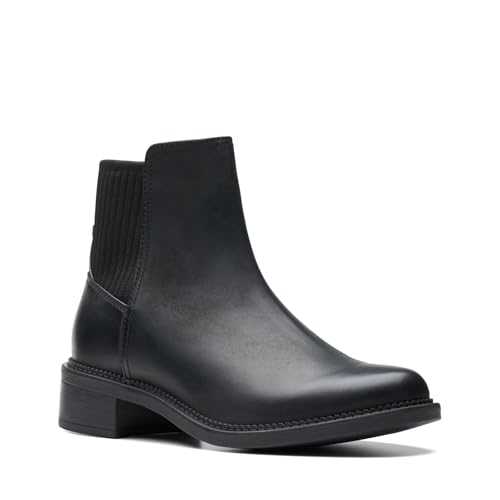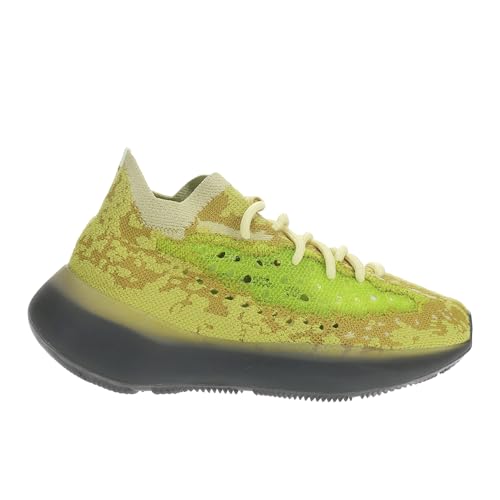
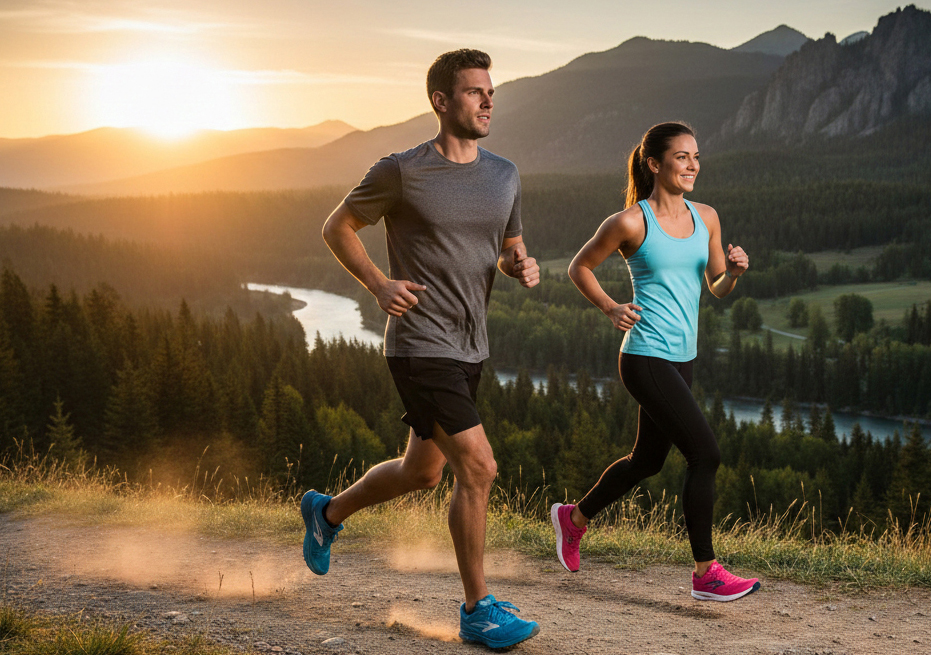
Stepping onto the running path for the first time is an exciting journey! But before you hit the pavement, you need the right gear, and your running shoes are the most crucial piece. The wrong pair can lead to discomfort or injury, while the right pair will make every mile enjoyable. This 1,200-word guide breaks down everything a **beginner** needs to know to ensure their first miles are safe, supported, and enjoyable.
1. Why Your First Running Shoe Choice Is Crucial
A specialized running shoe is more than just a glorified sneaker. They are designed to handle the specific forces your body generates while running, such as impact absorption, forward propulsion, and stability. Beginners often make the mistake of running in cross-trainers or old tennis shoes, which increases the risk of common injuries like shin splints and Achilles tendinitis. Investing in a proper pair is the essential first step in preventing injury and maintaining consistent training.
2. Know Your Foot Type: Pronation Explained
Before considering colors or brands, you must understand how your foot lands and rolls when you run—a process called pronation. There are three main types:
- Neutral Pronation: Your foot rolls slightly inward (considered ideal).
- Overpronation: Your foot rolls excessively inward (requires stability features).
- Supination (Underpronation): Your foot rolls outward (requires maximum cushioning).
You can determine your type with a simple "wet test" (examining your footprint) or, ideally, by visiting a specialty running store for a professional gait analysis.
3. Cushioning vs. Stability: Which One Do You Need?
Once you know your pronation type, selecting the right shoe category becomes straightforward.
3.1. Neutral/Cushioning Shoes
These shoes are designed for neutral runners and supinators. They prioritize maximum shock absorption, providing a soft, plush feel underfoot (e.g., the Brooks Ghost or Glycerin lines). The uniform foam provides a smooth, uninhibited ride.
3.2. Stability Shoes
If you overpronate, stability shoes are essential. They feature firmer material on the arch side of the midsole, known as a medial post, which is often visible as dual-density foam. This post restricts the foot's excessive inward rolling, keeping your stride aligned and reducing stress on the knees and shins. Examples include the Brooks Adrenaline and Asics GT series.
4. The Importance of the Midsole and Drop
The midsole is the engine of the shoe. It provides cushioning and energy return and is typically made of EVA or specialized foams, such as DNA Loft or Boost. The **heel-to-toe drop** is the height difference between the heel and the forefoot, measured in millimeters (mm).
- High drop (10–12 mm): Traditional, often preferred by heel strikers.
- Mid drop (4–8 mm): Versatile, promotes a midfoot strike.
- Low/zero drop (0–4 mm): Mimics barefoot running. Beginners should use caution when adopting this style.
Beginners should generally start with a mid to high drop (8–12 mm) for maximum initial comfort and support.
5. Sizing Up: Your Running Shoe Size Is Different from Your Street Shoe Size
Never buy a running shoe in your standard street shoe size. Running causes your feet to swell and lengthen, especially over longer distances. As a general rule, there should be the width of a thumbnail between your longest toe and the end of the shoe. Tight shoes inevitably lead to bruised toenails and blisters. Always try on shoes in the late afternoon or after a run, when your feet are at their largest.
6. Don't Be Swayed by the Hype (or Price Tag)
The most expensive or visually striking shoe is not necessarily the right one for you. Focus purely on fit and comfort. If a shoe feels good during your initial test walk or run, that's the best indicator of how it will perform long-term. Trust your feet, not just the marketing or celebrity endorsements.
7. The Role of the Outsole: Tread and Durability
The outsole (the rubber bottom layer) determines grip and longevity.
- Road Shoes: Feature smoother, less aggressive tread for pavement and sidewalks.
- Trail Shoes: Have deep, jagged lugs for superior grip on uneven surfaces (mud, rock, dirt).
For beginners sticking to paved surfaces, standard road shoes are sufficient. However, if you plan to run off-road, invest in a dedicated trail shoe for better safety and stability.
8. The Upper and Heel Collar: Fit Is Everything
The upper (the mesh part) should feel secure yet highly breathable. Modern mesh materials are engineered for comfort. Ensure the **heel collar** (the padded cuff around your ankle) locks your heel firmly in place without rubbing. A slipping heel often indicates a poor fit or improper lacing technique.
9. When to Replace Your Shoes (The 300–500 Mile Rule)
Running shoes have a limited lifespan. Over time, the foam cushioning breaks down, losing its ability to absorb impact effectively. Most experts recommend replacing your running shoes every **300 to 500 miles (500 to 800 kilometers)**. Once you start experiencing unexplained knee or shin pain, or if your shoes feel notably "flat," it's time for a new pair. Never wait until the outsole rubber is completely worn out.
10. Lacing Techniques Can Solve Problems
Standard lacing may not work perfectly for everyone. If you experience common fit issues:
- Heel Slippage: Use a "heel lock" or "runner's knot" (by utilizing the last two eyelets).
- High Instep (Top of the foot discomfort): Skip a pair of eyelets in the middle of the shoe.
- Wide Forefoot: Use parallel lacing to avoid central pressure across the top of the foot.
A simple lacing change can dramatically improve the fit of an otherwise excellent shoe.
11. Consider the Time of Year: Water Resistance and Breathability
If you live in a cold or wet climate, consider a version of your preferred model that features **Gore-Tex (GTX)** or similar water-resistant materials. For summer running, prioritize maximum breathability to prevent overheating and moisture buildup inside the shoe. Remember, breathability usually means less water resistance.
12. Top Recommended Brands for Beginner Runners
Many brands excel at making reliable, high-cushion, and supportive shoes ideal for beginners. Focus on their well-known introductory models:
- Brooks: Glycerin (Maximum Cushioning) or Adrenaline GTS (Stability).
- Hoka: Clifton (Versatile Cushioning) or Arahi (Stability).
- ASICS: Gel-Nimbus (Plush Cushioning) or GT-2000 (Stability).
- New Balance: 880 (Daily Neutral Trainer) or 860 (Stability).
- Nike: Pegasus (Versatile Daily Trainer) or Structure (Stability).
- Adidas: Ultraboost (Maximum Cushioning) or Solar Glide (Neutral/Daily Trainer).
- Puma: Velocity Nitro (Responsive Cushioning) or ForeverRun Nitro (Stability/Comfort).
- Skechers: Max Cushioning Premier (Maximum Comfort) or GOrun Ride (Versatile Neutral).
- Reebok: Floatride Energy (Lightweight & Responsive) or Harmony Road (Cushioned Daily Trainer).
- Columbia: **(Outdoor/Trail Focus)** Look for their Montrail series (Best suited for trail and off-road running).
These models offer proven technologies and the necessary protection for consistent training across various terrains and running styles.
Ready to Hit the Ground Running?
Choosing the right running shoe may seem complex, but by following these 12 expert tips, you can confidently select a pair that will support both your body and your goals. Focus on **gait type, fit, and comfort** above all else. A well-chosen shoe is your most important training partner, paving the way for a long and injury-free running career. Now that you're armed with this knowledge, find your perfect fit and lace up!
🔥 Find the best deals on Brooks, Hoka, Columbia, and Asics running shoes now!